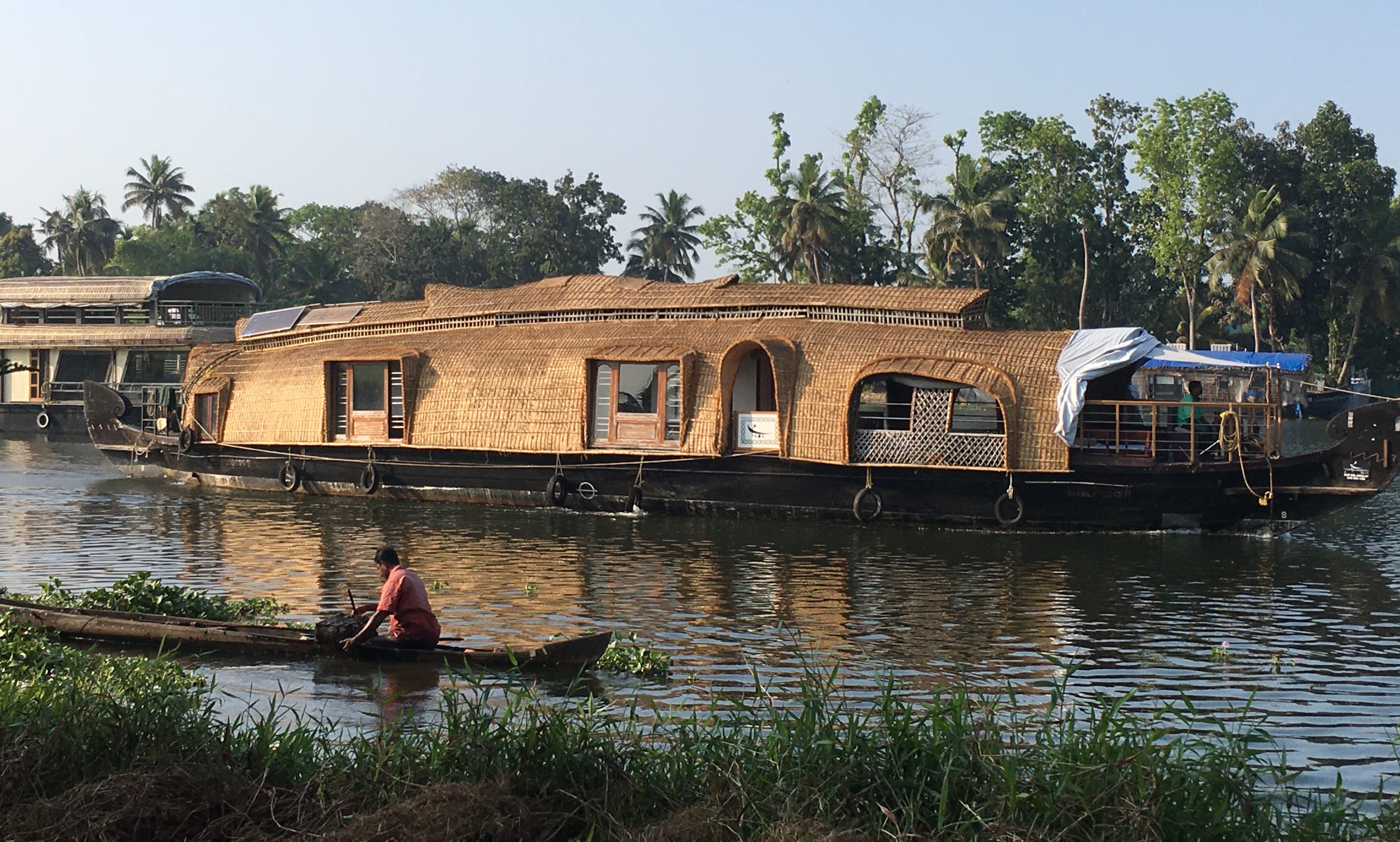
After exploring Mumbai we headed to wine and temple country (not a usual combination). Using plane, train and buses this week to move across three states – Maharashtra, Gujarat (one of only two dry states) and Rajasthan.
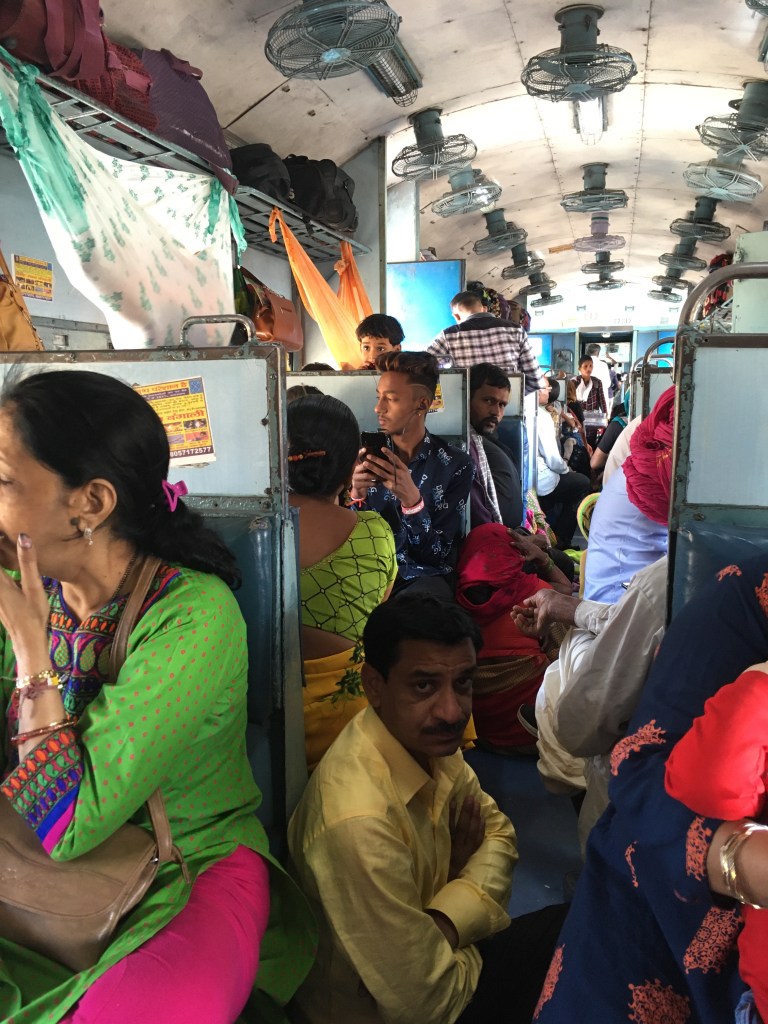
Distance covered 1645km: Average daily steps 13,032, Tuktuks 7, Taxis 2, Buses 2, Trains 5, Flights 1.
Average spend per day £60 (mainly due to flight).
Most people on one moped 5, people seen spitting in one day 23 (including one in bus).
Book this week State of wonder by Ann Patchett. I had heard good things about this author so choose this one – medical researcher heads to the Amazon to uncover many secrets. Easy, enjoyable read with good prose. Refreshing from last weeks book and hard to put down towards the end. Unfortunately, I felt the story line was weak and unbelievable at times which let it down, overall 3/5.
Highlights this week include:
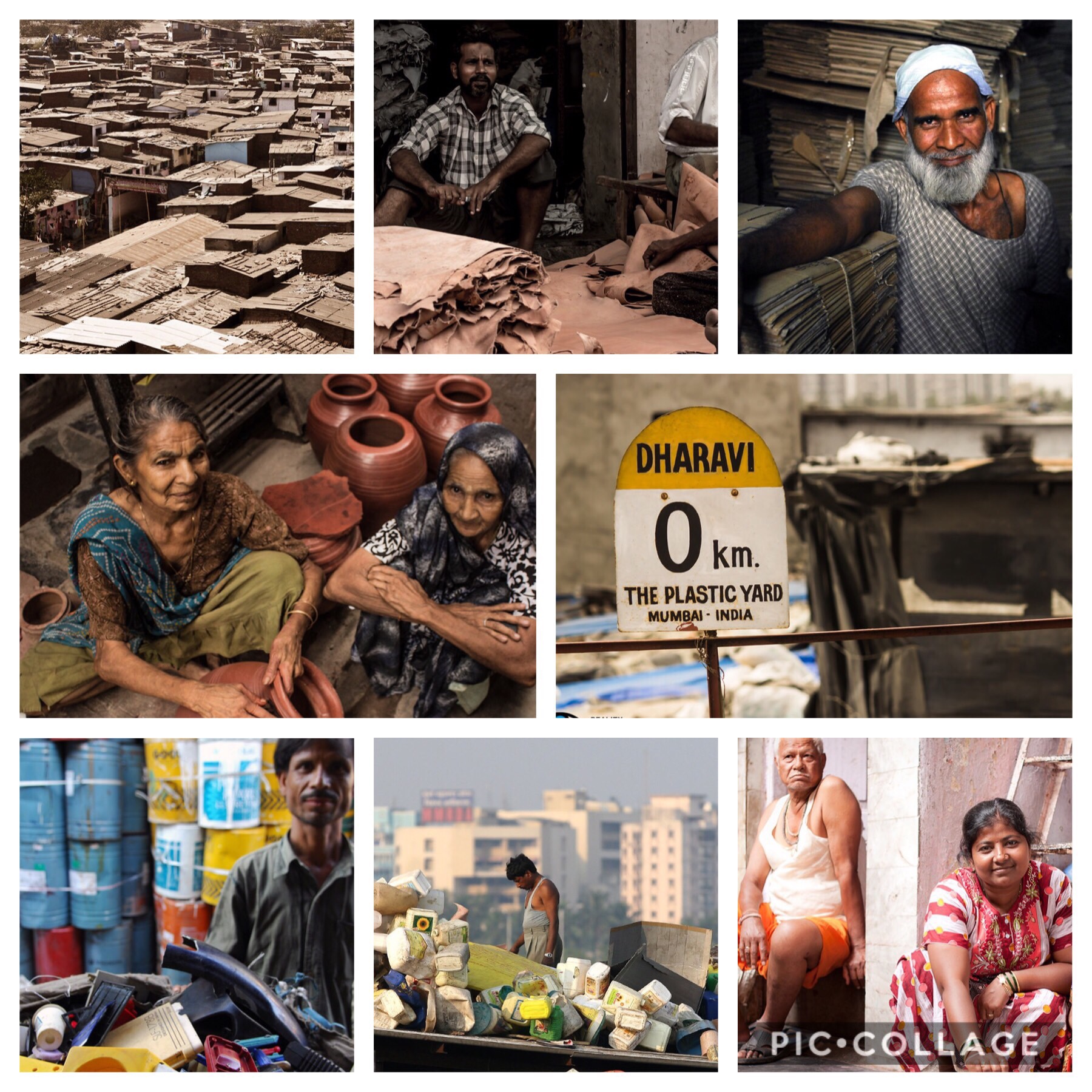
1. Dharavi slum tour. We were in two minds about going on this tour, but good reviews convinced us to go with reality tours and we were glad we did. Reality tours are a social enterprise where the guides live in the slum and 80% of the ticket cost goes back into their NGO to support education, employment and empowerment of women. Our preconceptions of a slum were certainly changed, pretty important given that 60% of Mumbai’s population are reported to live in slums.
Dhavari is the biggest reported slum in India with a population of over 1 million. It was the site for shooting slumdog millionaire, something they don’t talk about. However, apparently as of 2014 it’s strictly not a slum as the housing is now legally recognised by the government and formal infrastructure (water and sanitation) are now present. It was remarkable that despite very cramped living conditions (most houses are 10ft x 10ft for an average of 6 people, essentially one room and no running water, just public baths), there is no real smell and lots of micro-industry. Dhavari plays a big part in plastic recycling, we saw sorting of numerous items and turning into small plastic pellets. There were tanneries, pottery areas and popadom making. Apparently industry from the slum itself turns over almost $700million per year. There is now a drive from the government to re-house people in new apartment blocks to improve living conditions, but the locals are resisting as many are 4th generation there and reportedly like the community and location (next to two major train stations and on prime real estate in Mumbai).
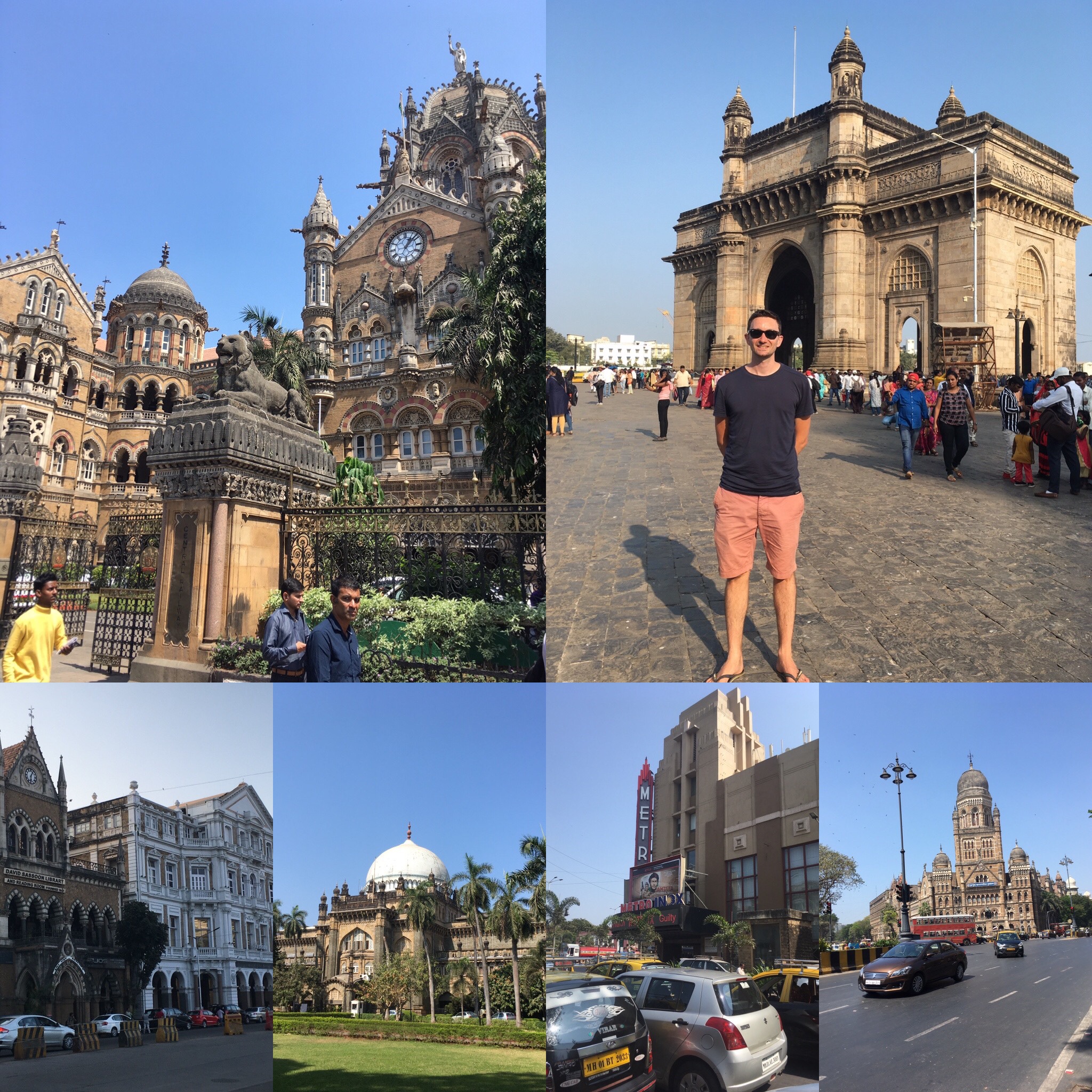
2.Walking around the architecture of Mumbai. We walked tens of thousands of steps around Mumbai’s streets enjoying the varied architecture and food. Many buildings (including the UNESCO railway building, post office and gateway to India) remain from the colonial era, but there is also a nice blend of Indo-Saracenic architecture and art-deco buildings. Indeed Mumbai has the second largest number of art-deco building in the world which we enjoyed along Marine drive (second to Miami).
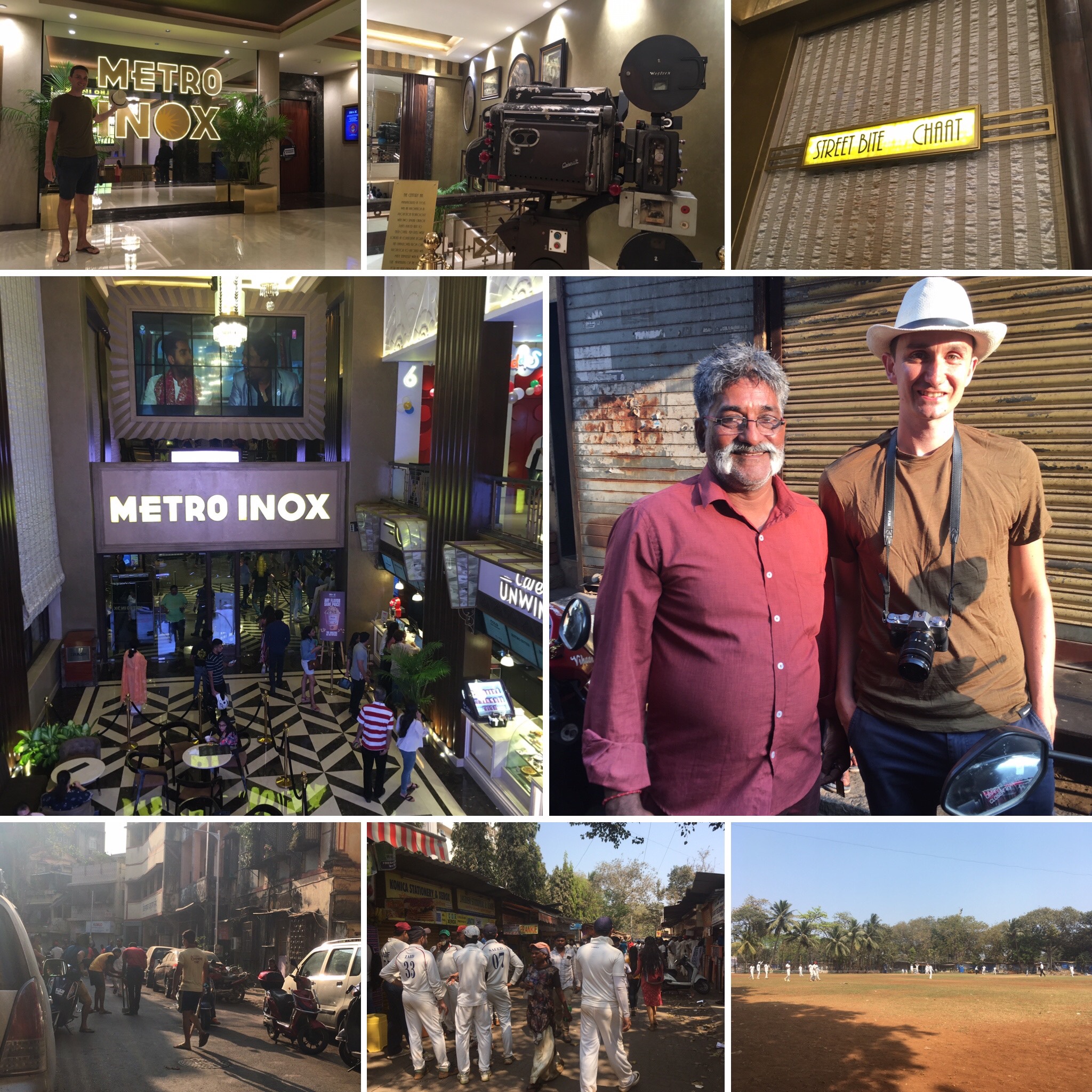
3.Cricket and Cinema in Mumbai. The two most prominent activities in Mumbai are filming (mainly music videos) and cricket. We enjoyed watching both. There is no doubt about it, cricket is the national sport and they play it everywhere!We had a nice interlude to walking around the city to join the locals in watching 6 overs of a 20:20. Mark got invited to join in with a street cricket match, but we had a date with the cinema. Cinema is big in Mumbai,it’s home of Bollywood and many of the cinemas are in beautiful art-deco buildings. We had wanted to watch a Bollywood blockbuster,but they were all in Hindi so we settled for The Oscar winning “Parasite”, which we both enjoyed. We enjoyed an intermission and saw that the cinema is no exemption to the Indians love of their mobile phone.

4.Vineyards.Nashik is a beautiful Hindu pilgrimage town in itself, but the surrounding area is the biggest wine region in India. We decided to spend three lovely days in a homestay so we could enjoy both. As a wine region it’s much higher than Mumbai (in fact it used to be a hill station) so the weather was so much nicer (fresh and not muggy). A thirty minute tuk-tuk ride out of Nasik on dirt tracks we arrived at Soma vineyard. We decided to walk between three vineyards closely situated to each other. Soma vineyard is a new boutique vineyard set up by a wealthy Indian man and only started bottling in 2014. We had a tour and tasting before moving on to the smarter York tasting rooms. We ended in the vibrant Sula vineyard which dominates the indian wine market (60% market share, in fact the main variety seen on restaurant wine lists, if they have one). Unsurprisingly indian wine tastes are sweeter than ours and they deliberately produce wines for both western (early harvest) and Indian palates (late harvest grapes). Soma has even developed a sweet Zinfandel red with added honey. Our opinion of the wines were that the sparklings were nice, rose surprisingly good (we are normally not keen) and Chenin Blanc fruity and fresh. Unfortunately the Sauvignon Blanc was lacklustre and overly metallic and the reds aren’t worth drinking (yet).
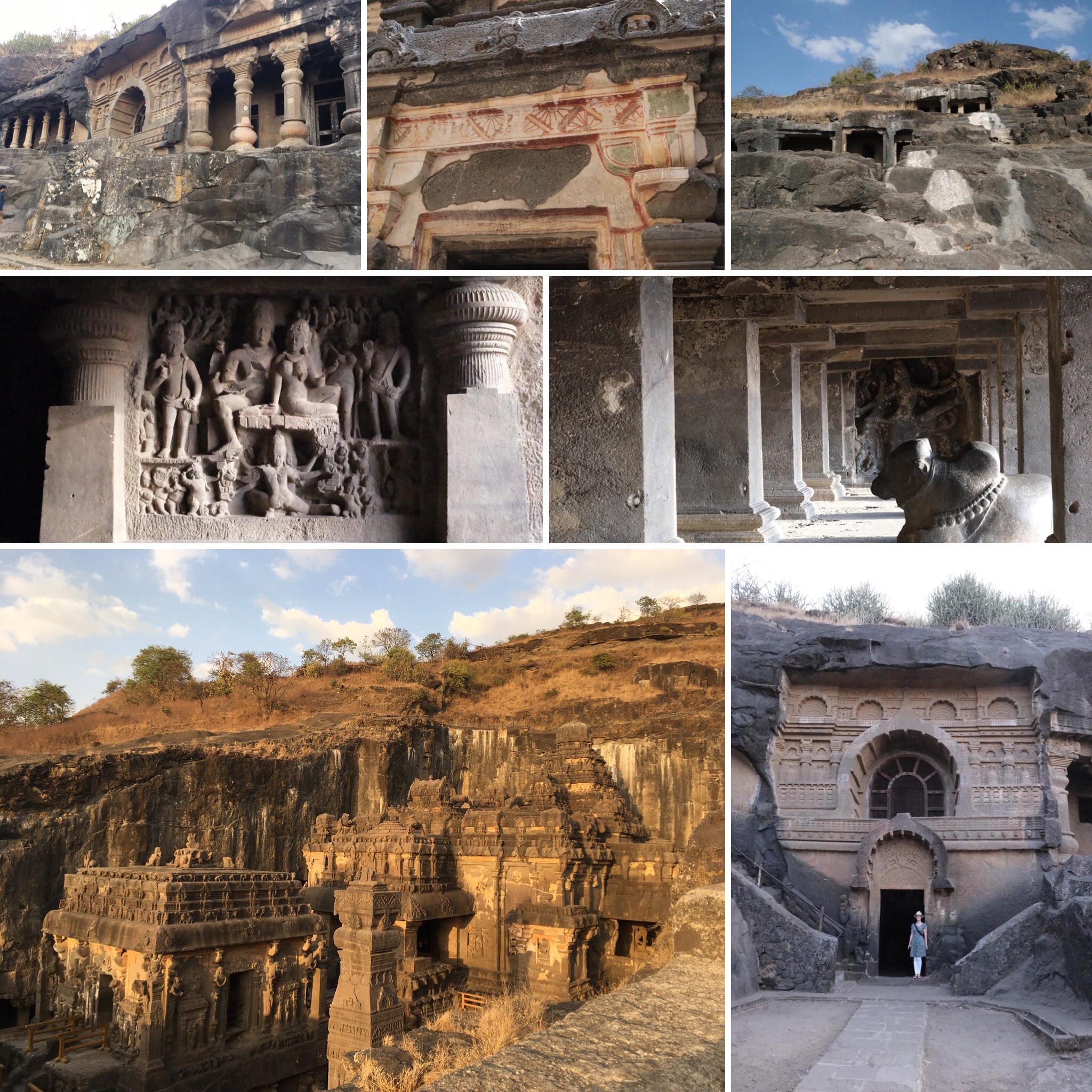
5.Caves. We hiked around caves in Nashik and Ellora, with over 34 caves cut into a hillside at Ellora there is a lot to see. These caves were chipped out over 5 centuries (beginning in 700AD) by Buddhist, Hindu and Jain monks. The most impressive structure is the ‘Kailasa’ Hindu temple in Ellora which is the wolds largest monolithic sculpture – carved from a solid rock face.
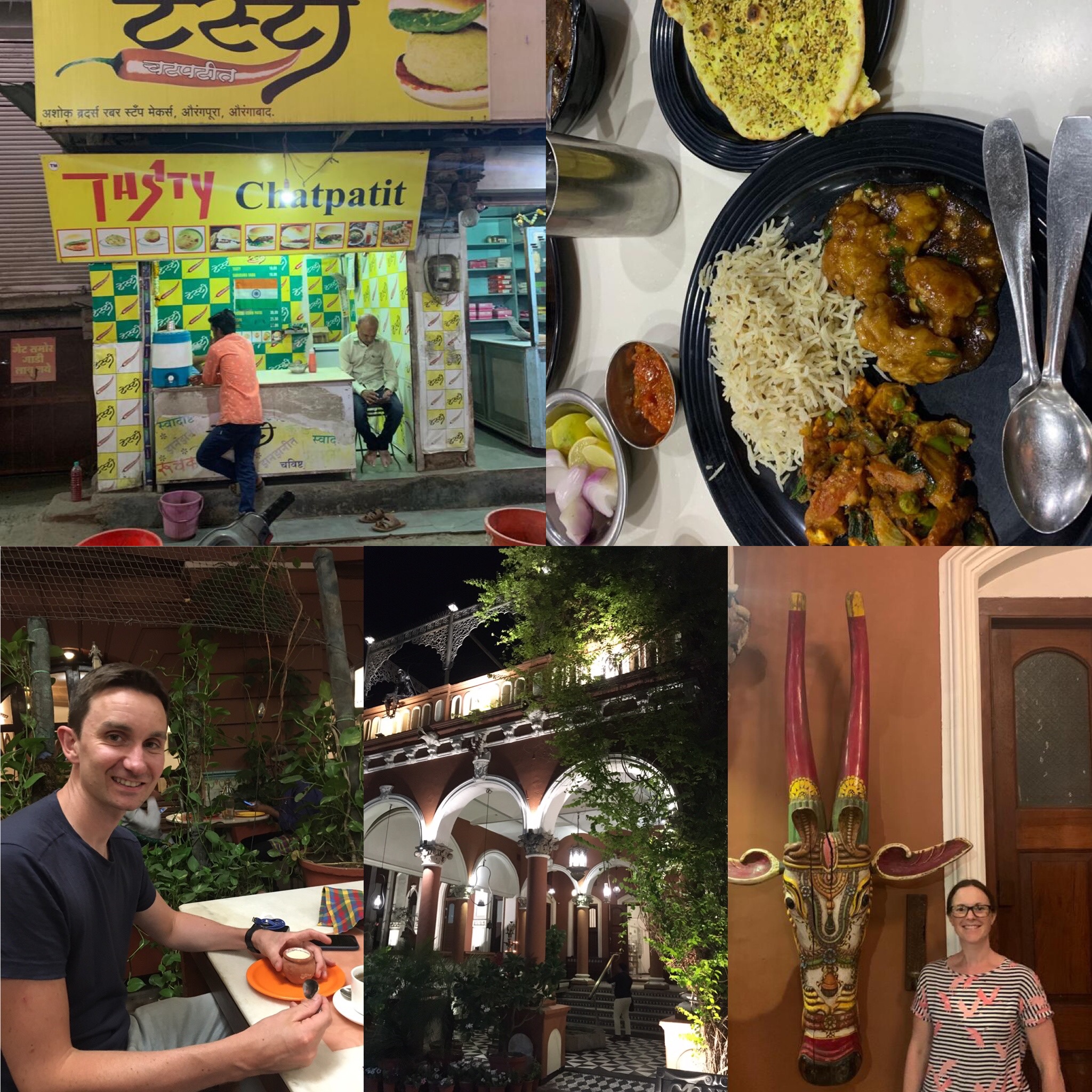
6.Bustling city stop overs. Although not strictly a highlight,more an experience we were glad to leave, the non-touristy cities of Aurangabad and Ahmedabad gave us a true insight into city life.Crowded,bustling,noisey and polluted.The Lonely planet says you can ‘chew the air it’s so polluted’ and the International air quality index would agree with Ahmedabad having the second worst air quality in India (next to New Dehli).Ahmedabad is the first place in India we have felt unsafe.It’s a crazy place with no pavements,we had to cross a 6 lane carriageway to get to a bus stop located in the central reservation,it’s no wonder on average 3 pedestrians die here a day from RTAs.To escape the bustle of both cities we headed for yummy vegetarian restaurants and enjoyed some delicious food.We were befriended by our table-neighbours in Aurangabad who let us share their chat puri.In Ahmedabad we relaxed in the oasis of calm of the heritage MG hotel and the highlight was matka kulfi,a creamy milk dessert.
A final thought… This week we had our first blessing from a Hijra in Mumbai. Most Hijras are transgender women, born male but who identify as women or “in-between”, in our case they were clear to state that they were “not man or woman”.
India seems to have a complicated relationship with gender and the Hijra. The hijra community have been largely discriminated against, often shunned from their family, living in the fringes of society and turning to begging or prostitution. Yet the Hijra are viewed auspiciously, they have a special place in Hindu mythology and are believed to be able to offer blessings, in our case a tap on the head for 10 rupees (or curses if no money is forthcoming).
Hopefully this complex relationship is turning full circle. Apparently hundreds of years ago Hijras were respected under Hindu tradition, this all changed under Victorian English rule where ‘non-procreative sexualities’ were criminalised. In 1994 India legally recognised Hijras as the ‘third sex’ and they now have the option to identify as a eunuch (“E”) on passports.
 Sabbatical adventures (Mark and Lizzie)
Wow what a lot you experienced in a week….loving the descriptions and then the photos pop up and see you having a brilliant time in each location is fantastic.
LikeLike